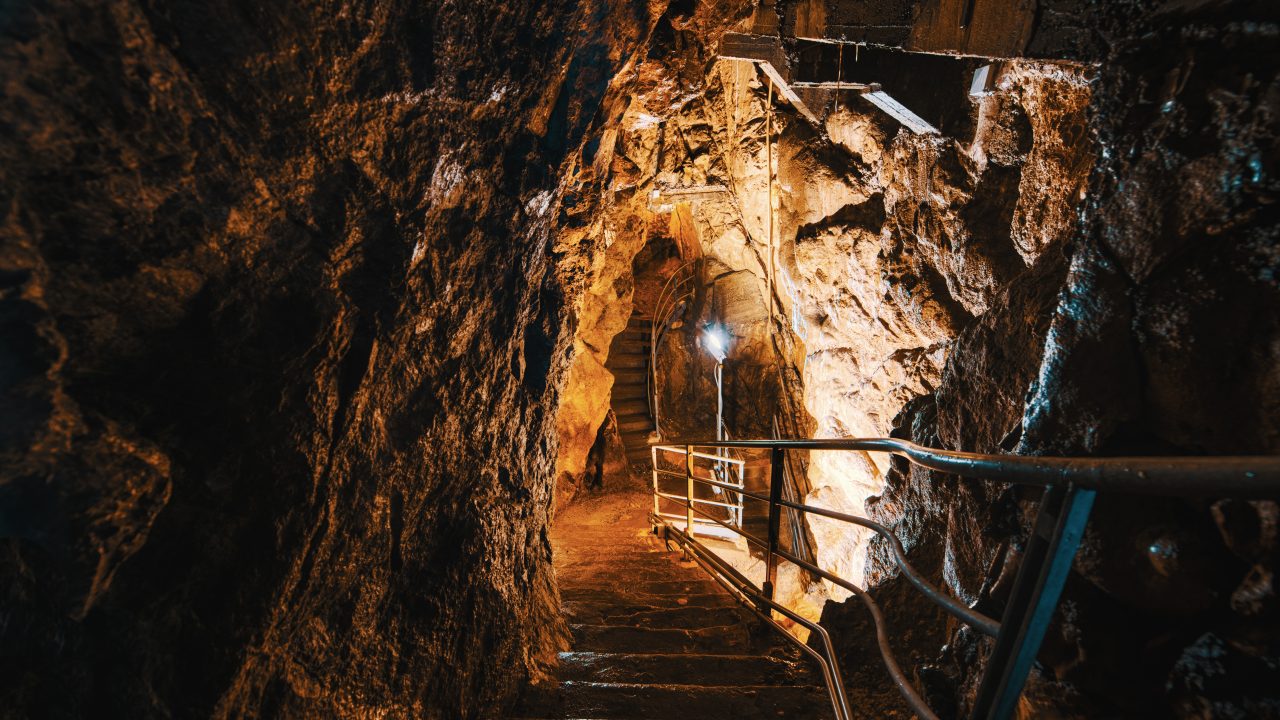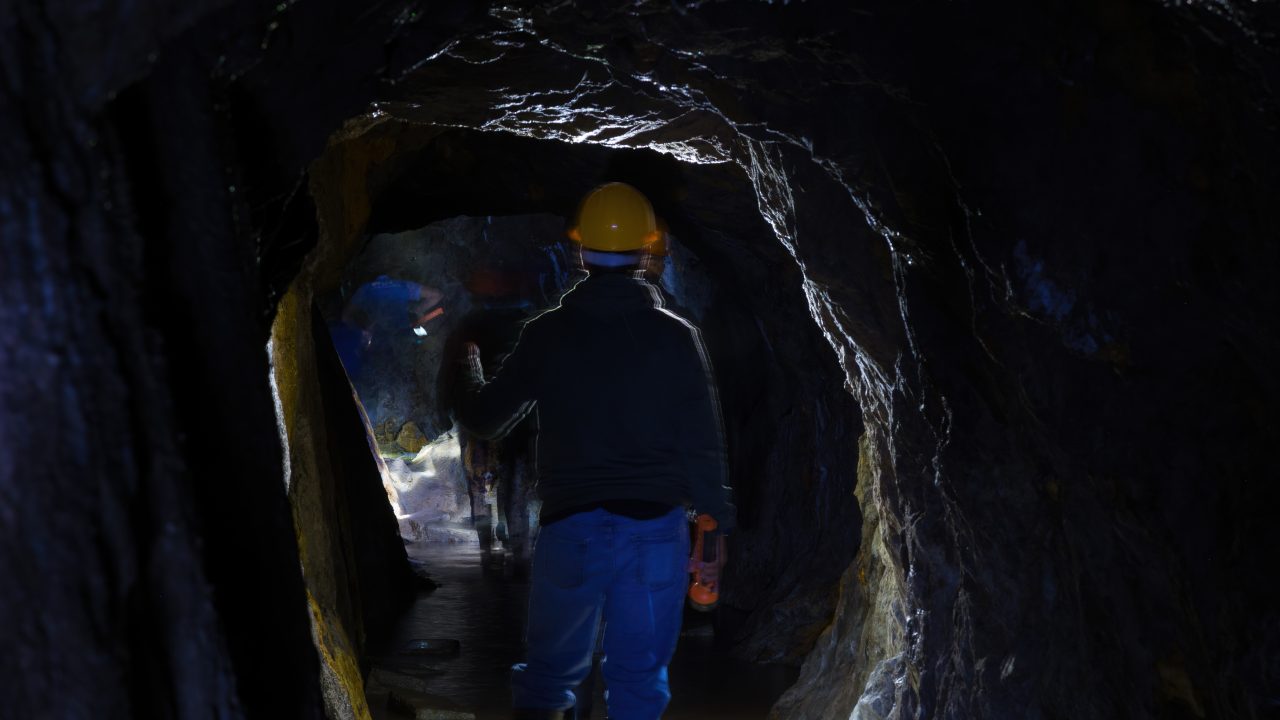
Underground mining environments are among the most challenging and hazardous in any industry. Limited ventilation, confined spaces, and the natural release of gases from geological formations all contribute to elevated safety risks. Among the most dangerous gases are methane (CH₄) and carbon dioxide (CO₂).
Reliable gas detection is essential in underground mines; it protects lives, equipment, and operations. In recent years, NDIR (Non-Dispersive Infrared) gas sensing technology has become the preferred choice for detecting methane and CO₂ in underground environments.
Learn more about practical NDIR solutions for underground mining safety here.
The Gas Safety Challenge in Underground Mining
Methane is a naturally occurring gas released during coal mining and from certain mineral seams. It is highly flammable, and when concentrations reach explosive limits, even a small ignition source can result in catastrophic consequences.
Carbon dioxide, while non-flammable, presents a different but equally serious risk. Elevated CO₂ levels can displace oxygen, leading to asphyxiation, impaired decision-making, and loss of consciousness, often without obvious warning signs.
Underground gas detection faces several challenges, including:
- Rapid fluctuations in gas concentration
- High humidity and dust
- Temperature variations
- Continuous 24/7 operation requirements
- Strict regulatory compliance
These conditions demand sensors that are accurate, stable, robust, and low maintenance, which is where NDIR technology excels.
What Is NDIR Gas Sensor Technology?
NDIR (Non-Dispersive Infrared) sensors measure gas concentration by detecting the amount of infrared light absorbed by a specific gas.
Each gas absorbs infrared energy at a unique wavelength. Inside an NDIR sensor:
- An infrared light source emits light through a gas sample.
- The target gas absorbs a portion of the infrared energy.
- A detector measures the remaining light.
- The reduction in signal correlates directly to gas concentration.
Because this method is based on fundamental physical properties, NDIR sensors provide highly repeatable and reliable results over long periods.
Why NDIR Sensors Are Ideal for Methane and CO₂ Detection
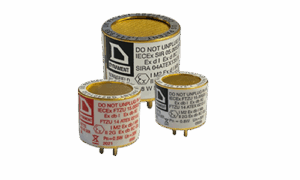 Methane and carbon dioxide are infrared-active gases, making them perfectly suited for NDIR measurement techniques. This offers several critical advantages in underground mine safety applications.
High Accuracy and Long-Term Stability
NDIR sensors do not rely on chemical reactions or consumable components. This means they provide:
- Minimal signal drift over time
- Stable calibration intervals
- Consistent readings in harsh environments
For mines operating 24/7, this long-term accuracy is essential for dependable safety systems.
Low Maintenance Requirements
Unlike other sensing technologies that may need frequent recalibration or replacement, NDIR sensors:
- Have no consumable sensing elements
- Are resistant to poisoning or degradation
- Maintain performance over many years
This reduces operational downtime and maintenance costs, a major benefit for remote or hard-to-access underground locations.
Robust Performance in Harsh Conditions
Underground environments are challenging, and dust, humidity, and temperature swings are unavoidable. NDIR sensors are inherently robust:
- Optical measurements are unaffected by oxygen levels
- Sensors are less sensitive to environmental contaminants
- Enclosed optical paths protect critical components
This makes NDIR technology ideal for both fixed and portable mine gas detection systems.
Fast and Reliable Response
In mining, seconds matter. NDIR sensors provide:
- Rapid detection of rising methane levels
- Accurate monitoring of CO₂ accumulation
- Reliable alarms without false positives
Early warnings can prevent dangerous situations before gas concentrations reach critical thresholds.
Comparing NDIR to Other Gas Detection Technologies
| Technology | Limitations | NDIR Advantages |
| Catalytic Bead | Requires oxygen, poisoned by contaminants, drift over time | Oxygen-independent, stable, long-lasting |
| Electrochemical | Consumable elements, shorter lifespan, sensitive to environment | Long service life, reliable in harsh conditions |
| MOS | High power use, cross-sensitivity | Low power, selective for methane & CO₂ |
Supporting Regulatory Compliance in Underground Mines
Mining safety regulations worldwide mandate continuous and reliable gas monitoring. NDIR sensors help meet these requirements by providing:
- Stable and traceable measurements
- Compatibility with intrinsically safe and flameproof designs
- Proven performance in safety-critical environments
Many modern underground gas detection systems rely on NDIR technology to meet stringent safety and certification standards.
The Role of Dynament NDIR Sensors in Mining Safety
Dynament has extensive experience designing NDIR infrared gas sensors for demanding applications like underground mining. Their sensors are widely used in:
- Dual-gas methane and CO₂ detectors
With benefits such as low power consumption, long-term stability, and rugged designs, Dynament NDIR sensors enable safer and more reliable underground gas detection.
For full specifications and applications, visit our dedicated underground mining safety page here.
Conclusion: A Proven Technology for a High-Risk Environment
Underground mining will always involve risk, but advanced gas detection technology is essential for minimizing it.
NDIR gas sensors have become critical because they deliver:
- Accurate methane and CO₂ detection
- Long-term stability with minimal maintenance
- Robust performance in harsh environments
As mines modernize and safety expectations rise, NDIR infrared gas sensors remain a cornerstone of effective underground mine gas detection strategies.
Speak with an Expert
Contact Dynament for Applications Support