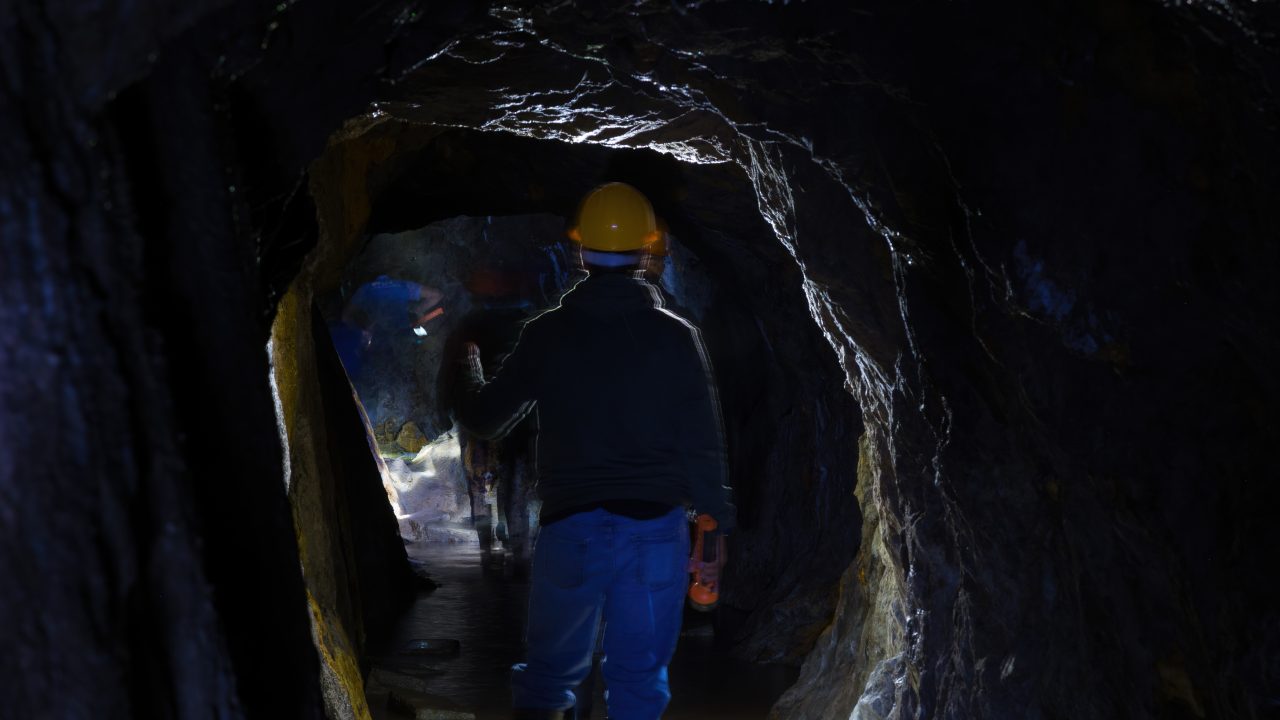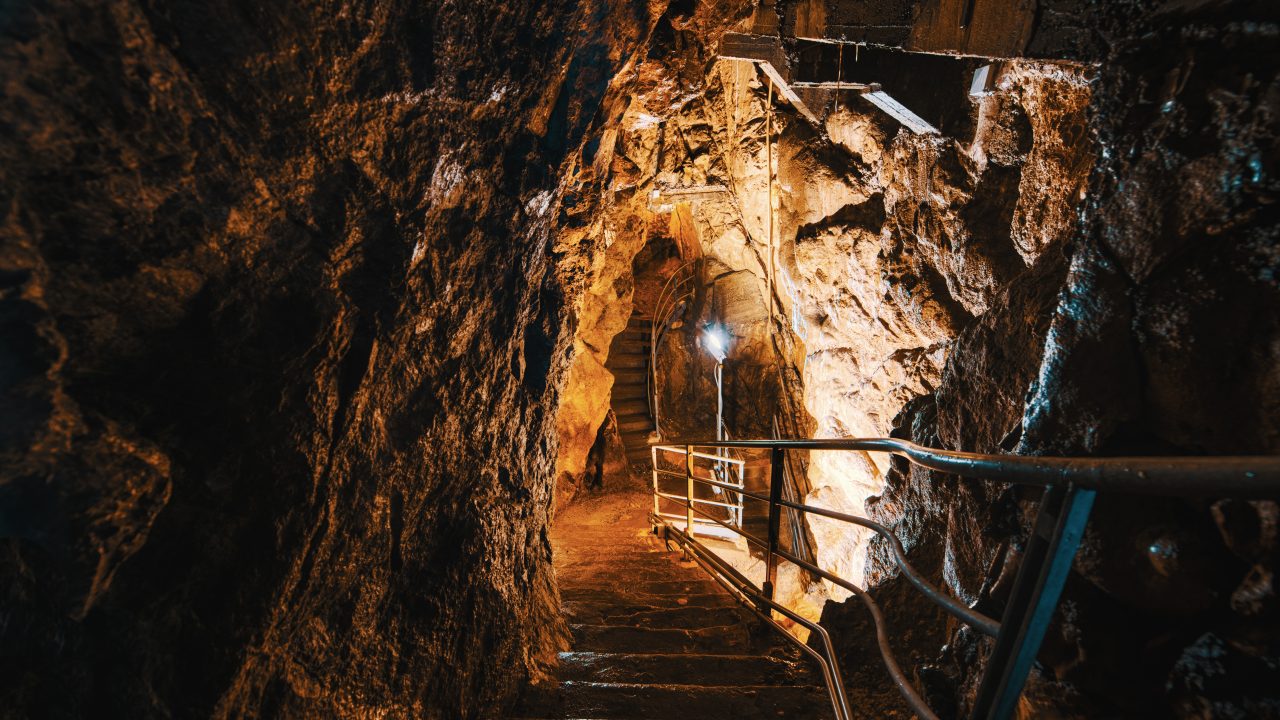
Underground mining environments are among the most hazardous in any industry. Methane (CH₄) and carbon dioxide (CO₂) are two of the most common and dangerous gases encountered, requiring accurate, reliable detection to protect lives and ensure operational continuity.
While NDIR (Non-Dispersive Infrared) gas sensors have become the preferred solution for methane and CO₂ monitoring, many engineers, OEMs, and safety managers still ask:
How do NDIR sensors compare to other gas detection technologies in mining applications?
This article compares the leading gas sensing technologies used in mining and explains why NDIR gas sensors are widely considered the best choice for methane and CO₂ detection in underground environments.
Understanding Gas Detection Technologies in Mining
A range of gas detection technologies are used across mining operations, each with different strengths depending on the application:
- Catalytic Bead Sensors: Detect combustible gases through oxidation on a heated element
- Electrochemical Sensors: Use chemical reactions to generate an electrical signal
- MOS (Metal Oxide Semiconductor) Sensors: Measure resistance changes caused by gas interaction
- NDIR Sensors: Use optical measurement via infrared absorption for precise gas detection
While these technologies can all play a role, underground mining conditions place extreme demands on sensor performance, reliability, and maintenance.
NDIR vs Catalytic Bead Sensors
Catalytic bead sensors have historically been used for methane detection in mines. However, compared to NDIR sensors, they present several limitations in modern underground environments:
- Require oxygen to function properly, which can be a limitation in poorly ventilated areas where gas accumulation is most dangerous.
- Susceptible to poisoning from contaminants such as silicones or sulphur compounds
- Gradual signal drift over time, requiring frequent recalibration
- Limited lifespan in harsh operating conditions
Compared to catalytic bead sensors, NDIR gas sensors for mining applications offer these significant advantages:
- Oxygen-independent operation, ensuring reliable readings even in low-oxygen environments
- Stable, long-term performance with minimal drift
- High accuracy methane detection, even in fluctuating conditions
- Reduced maintenance requirements, lowering operational costs
For a deeper understanding of how NDIR technology works, read our guide to NDIR gas sensors in mining:
https://dynament.com/why-ndir-gas-sensors-are-critical-for-underground-mine-safety/
NDIR vs Electrochemical Sensors
Electrochemical sensors are commonly used for toxic gases. Compared to NDIR sensors, their limitations become clear in continuous mining operations:
- Use consumable components that degrade over time
- Require regular calibration and replacement
- Sensitive to humidity and temperature fluctuations common underground
In contrast, infrared gas detection using NDIR technology provides:
- Long operational life without consumables
- Stable performance in harsh environments
- Reliable CO₂ monitoring in confined underground spaces
This makes NDIR sensors a more dependable solution for continuous methane and CO₂ monitoring in underground mine safety systems.
NDIR vs MOS Sensors
MOS sensors are sometimes used for general gas detection, but compared to NDIR sensors, they are less suited for safety-critical mining applications:
- Higher power consumption, limiting use in portable or battery-powered devices
- Cross-sensitivity to multiple gases, reducing accuracy
- Slow recovery affecting measurements in rapidly changing gas environments
By comparison, NDIR sensors provide:
- Selective detection of hydrocarbon gases and CO₂
- Fast response times for early hazard detection
- Low power options suitable for portable and wearable safety devices
Technology Comparison for Mining Applications
| Sensor Type | Advantages | Disadvantages |
| NDIR | Long lifespan, gas-specific detection, low drift, works in harsh environments | Historically higher cost – now affordable solution |
| Electrochemical | High sensitivity, low power | Short lifespan, cross-sensitivity, frequent calibration. Consumable. |
| MOS
(Metal Oxide) |
Fast response, cheap | Affected by humidity & temperature, drift issues |
| Catalytic (Pellistor) | Good for combustible gases | Requires oxygen, can be poisoned, short lifespan |
Typical Use Cases for Gas Sensors in Mining
Understanding where each technology is used in relation to NDIR helps clarify why NDIR has become dominant for key mining applications:
- Catalytic bead sensors: Older or legacy combustible gas systems
- Electrochemical sensors: Toxic gas detection (e.g. CO, H₂S)
- NDIR sensors:
- Methane detection in underground tunnels
- CO₂ monitoring in confined or poorly ventilated areas
- Fixed gas monitoring systems
- Portable and wearable safety devices
NDIR technology is now widely adopted in modern mining systems due to its accuracy, reliability, and compliance with hazardous area requirements. Dynament Platinum sensors can use used as direct drop-in replacement for traditional catalytic bead sensors.
Why NDIR is the Preferred Choice for Underground Mining
In real-world mining environments, NDIR sensors consistently outperform alternative technologies due to their ability to withstand harsh conditions and operate continuously.
Key advantages include:
- High accuracy and repeatability for methane and CO₂ detection
- Minimal drift, ensuring reliable long-term monitoring
- Low maintenance requirements, reducing downtime
- Fast response times, enabling early warning of dangerous gas build-up
These characteristics are critical in underground mines, where conditions can change rapidly, and safety systems must operate 24/7 without failure.
Explore how Dynament NDIR sensors support underground mining safety:
https://dynament.com/application/ndir-gas-sensors-for-underground-mining-safety/
Which Gas Detection Technology Should You Choose?
Selecting the right gas sensor depends on the application, but for most underground mining scenarios:
- Methane (CH₄) detection: NDIR is the most reliable and widely used technology
- CO₂ monitoring: NDIR provides the best long-term stability and accuracy
- Toxic gases (CO, H₂S): Electrochemical sensors may still be required
For safety-critical systems, many modern designs combine technologies but rely on NDIR sensors as the primary solution for methane and CO₂ monitoring.
The Future of Gas Detection in Mining
As mining operations evolve, gas detection systems are becoming more advanced, with increasing demand for:
- Wireless and connected safety systems
- Battery-powered portable and wearable devices
- Low-power, high-performance sensors
NDIR technology is well-positioned to support these requirements, offering the stability, efficiency, and reliability necessary for next-generation mining safety systems.
Conclusion: NDIR Delivers Superior Performance in Mining
Catalytic bead, electrochemical, and MOS sensors have roles in industrial gas detection, but NDIR sensors offer superior performance for methane and CO₂ monitoring in underground mines.
NDIR sensors are preferred by engineers, OEMs, and safety professionals for their accuracy, stability, low maintenance, and durability in hazardous mining environments.
As safety standards rise, NDIR technology will remain central to underground gas detection strategies.
Speak with an Expert
Contact Dynament for Applications Support