What Are Dual-Gas Infrared (NDIR) Sensors?
Dual-gas infrared (NDIR) sensors measure two gases simultaneously using a single, compact module. Instead of installing two separate sensors, one dual-gas sensor monitors both gases efficiently.
This innovative design reduces size, power consumption, cost, and complexity, making it ideal for OEMs designing compact or embedded systems.
How Dual-Gas Infrared Sensors Work
Infrared (IR) gas sensors operate on a simple but powerful principle: each gas absorbs infrared light at specific wavelengths. By measuring the amount of light absorbed at those wavelengths, the sensor accurately and reliably determines the gas concentration.
Dual-gas infrared sensors utilize two optical channels or filters within a single unit, enabling them to sense two gases independently while sharing the same light source and electronics.
Key Benefits of Dual-Gas Infrared Sensors
Space & Power Savings
-
Combines two sensing channels in one unit
-
Ideal for compact designs or portable instruments
-
Uses less power than two separate sensors
Lower Costs & Simpler Integration
-
Reduces components and wiring
-
Faster time to market
-
Simplifies system design and assembly
Reliable & Stable Performance
-
Factory-calibrated dual channels
-
Consistent, accurate readings
-
Less frequent recalibration required
Common Dual-Gas Sensor Applications
The versatility of dual-gas infrared sensors allows them to support a wide range of industries and applications:
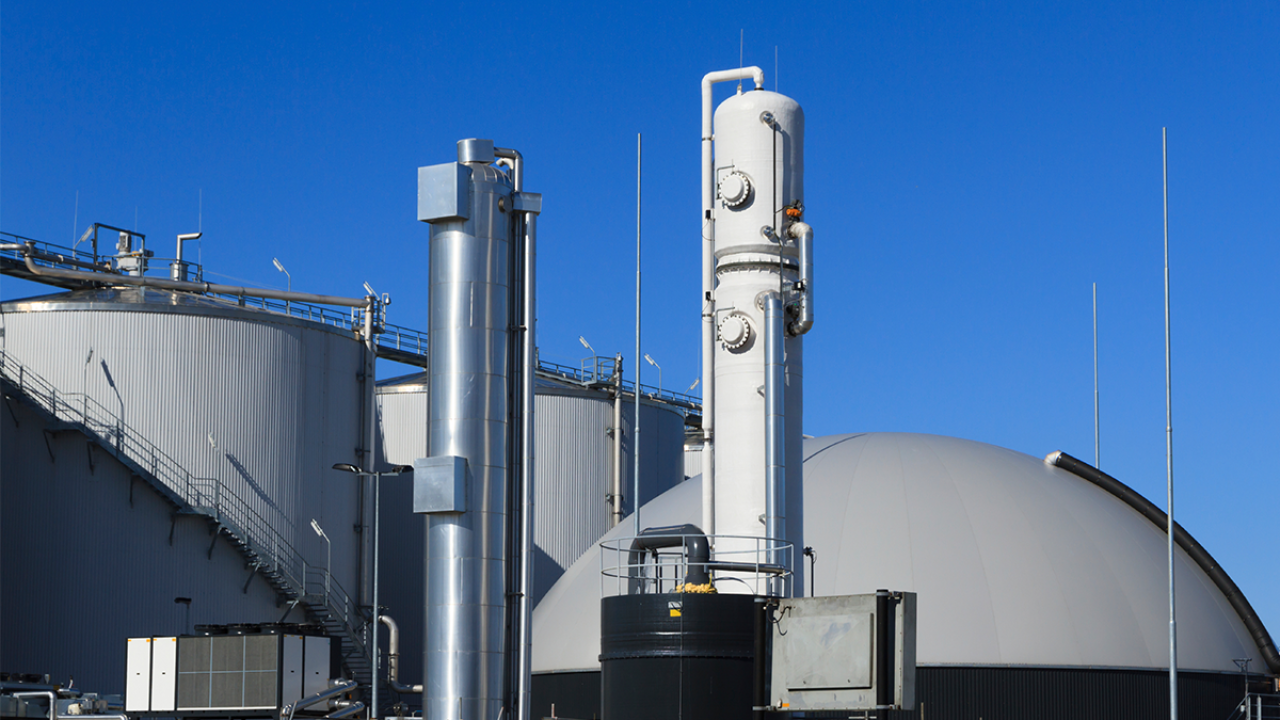
In biogas production, simultaneous measurement of methane and carbon dioxide is critical for process efficiency and safety. A dual-gas IR sensor simplifies system design while providing reliable, real-time data on gas composition.
Biogas & Renewable Energy
-
Simultaneous measurement of methane (CH₄) and carbon dioxide (CO₂)
-
Real-time data improves process control and safety
Oil & Gas Safety
-
Detect hydrocarbons like CH₄ with CO₂ for early leak alerts
-
Enhances worker safety and reduces incident risk
Refrigeration & HVAC Systems
-
Dual detection of refrigerants and CO₂
-
Supports leak prevention, efficiency, and compliance
Industrial Process & Emissions Control
-
Monitors combustion gases
-
Helps maintain quality and control emissions
How to Choose the Right Dual-Gas Sensor
Selecting the best sensor for your application requires careful consideration of technical and environmental factors. Here are the key points to evaluate:
1. Gas Pair Compatibility
Choose sensors designed for your gas combination, e.g., CH₄ + CO₂. Different filters help avoid interference.
2. Measurement Range & Accuracy
Match the sensor range to expected gas levels. Biogas may need high CO₂ ranges; safety systems may need fine CH₄ sensitivity.
3. Environment & Certifications
Consider temperature, humidity, and vibration. For harsh or hazardous areas, look for ATEX or IECEx certification.
4. Power & Communication Needs
Choose low-power models for battery applications and check electrical interfaces for compatibility.
5. Custom Options
Some sensors offer tailored calibration, mechanical formats, or output configurations to match your design needs.
Why Choose Dynament Dual-Gas Sensors
Dynament has over 25 years of experience developing reliable NDIR infrared sensors for OEMs worldwide.
Our dual-gas sensors are: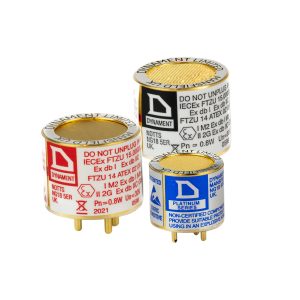
-
Manufactured in the UK with high-precision optical design
-
Available in standard, low-power, and safe area versions
-
Known for accuracy, stability, and long-term reliability
-
Certified for demanding environments (ATEX, IECEx, UL)
Conclusion
Dual-gas infrared sensors combine compact design, low power, and accurate measurements into a single module. For system designers and OEMs, this means simpler hardware, lower cost, and better performance without sacrificing safety or quality.
Seeking a dual-gas solution tailored to your specific application?
Explore Dynament’s full range of dual-gas infrared sensors or contact our technical team to discuss your gas combination requirements.